
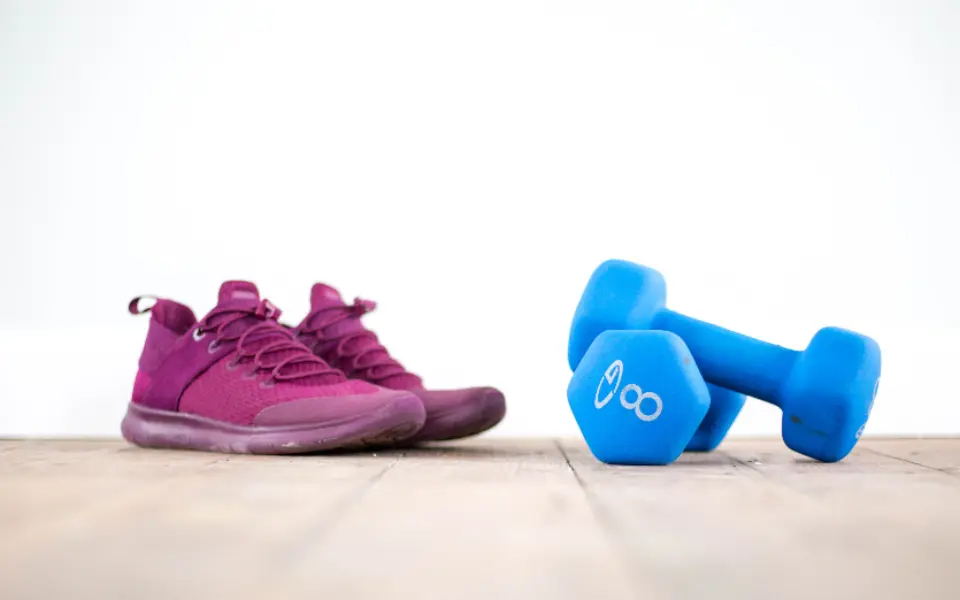
Most people who attempt a new fitness routine quit within the first three weeks — not because they lack motivation, but because the routine they chose was designed for someone else's life. Building a home workout habit that endures requires far less equipment and far more clarity about what you are actually trying to achieve and how much time you honestly have.
Start With What You Have, Not What You Think You Need
The fitness industry profits from the idea that results require investment: specific machines, branded apparel, premium apps, and monthly memberships. For most health goals — building cardiovascular fitness, maintaining muscle mass, improving flexibility, and managing weight — bodyweight exercises performed consistently outperform expensive equipment used sporadically.
A basic home setup worth building around includes a mat for floor work, a set of resistance bands (typically under $30 for a full set), and a pull-up bar that fits a door frame. These three items, combined with movement patterns using your own bodyweight — squats, lunges, push-ups, planks, hip hinges, and rows — cover the fundamental movement categories that physical therapists and strength coaches use to assess functional fitness.
The goal at the outset is not intensity. It is frequency. A ten-minute session done four times a week creates far more durable fitness adaptation than a 45-minute session attempted once, because the nervous system and connective tissue adapt to movement through repetition, not exhaustion.
Design Around Your Schedule, Not an Ideal Schedule
One of the most common mistakes in building a fitness habit is designing it around an ideal version of the week rather than the actual one. If you realistically have 20 uninterrupted minutes on a Tuesday morning before work, build the Tuesday session around that constraint. If Wednesday evenings are reliably free, that is when the session goes.
The Canadian Society for Exercise Physiology recommends that adults accumulate at least 150 minutes of moderate-to-vigorous physical activity per week, with muscle-strengthening activities on at least two days. That is roughly 22 minutes per day if spread across seven days — a target that most schedules can accommodate if planned deliberately. According to CSEP's movement guidelines, even smaller bouts of activity spread across the day contribute meaningfully to the weekly total.
Anchoring workouts to existing routines helps considerably. Exercise that happens before a shower, after a coffee, or immediately following a recurring meeting is more likely to persist than exercise that requires carving out new time from scratch. Behavioural researchers call this "habit stacking" — attaching a new behaviour to one that already occurs automatically.
Progress Gradually and Measure What Actually Matters
Intensity should increase gradually over weeks, not days. A common pattern is to add one repetition or five seconds to each exercise every few sessions, and to introduce a new movement only when the current ones feel controlled and easy. This approach produces less soreness, fewer injuries, and better technique — all of which make it easier to continue.
Measuring progress in ways that extend beyond appearance improves consistency. Tracking how many push-ups you can perform with good form, how long you can hold a plank, or how quickly your heart rate returns to baseline after exertion gives you data that changes week to week and remains motivating even when visual changes are slow to appear. A simple notebook or spreadsheet is sufficient — elaborate tracking apps are optional.
Recovery Is Part of the Routine
A home fitness routine is not complete without planned recovery. This means scheduling at least one full rest day per week, prioritising sleep (the period in which most physical adaptation occurs), and including mobility work — gentle stretching or yoga-style movement — on lighter days.
Muscle soreness in the 24 to 48 hours after exercise is normal, particularly when starting out or introducing new movements. It should not be so severe that it limits daily function. If it is, reduce the volume of the next session rather than pushing through at the same intensity. Consistency over months produces results; heroic single sessions followed by a week of recovery do not.
The most effective fitness routine is the simplest one you will actually do. Start with three sessions per week, keep each under 30 minutes, use movements that require no equipment, and build from there. That framework, maintained for six months, will produce more measurable improvement than any more ambitious plan that gets abandoned in the third week.