The widely cited recommendation to drink eight glasses of water each day is a useful starting point, but research suggests that individual hydration needs vary considerably based on body size, activity level, climate, and overall diet. Understanding what actually drives your fluid requirements — rather than following a fixed formula — leads to smarter, more personalised hydration habits that serve health better than a one-size rule ever could.
Where the Eight-Glasses Rule Comes From
The eight-by-eight recommendation (eight glasses of eight ounces, or roughly two litres per day) traces back to a 1945 US Food and Nutrition Board guideline that was frequently misquoted in the decades following. The original guideline actually noted that most of this fluid came from food — the recommendation for additional water drinking was much more modest. Later research has not confirmed that two litres of water per day as a stand-alone target is optimal for the average person; rather, total fluid intake from all sources — including water in fruit, vegetables, soups, and other beverages — is what matters for hydration status.
How Hydration Affects the Body
Water makes up roughly 60 percent of adult body mass and is essential for virtually every physiological function. It transports nutrients and oxygen to cells, regulates body temperature through sweating, cushions joints, and removes waste products via the kidneys. Even mild dehydration — a fluid deficit of one to two percent of body weight — measurably impairs cognitive performance, attention, and short-term memory in studies examining otherwise healthy adults.
Kidney function depends heavily on adequate fluid intake. The kidneys filter approximately 180 litres of blood daily and produce urine as a waste disposal mechanism. When intake is chronically low, urine becomes highly concentrated, which increases the risk of kidney stones over time. Staying well hydrated keeps urine dilute enough to prevent mineral accumulation that leads to stone formation.
Signs of Mild Dehydration
Thirst is a reliable but lagging indicator — it typically appears when fluid deficit is already approaching one to two percent of body weight. Urine colour is a practical real-time measure: pale yellow indicates adequate hydration, while dark amber or brown suggests the body needs more fluid. Other common signs include headache in the afternoon (a period when cumulative fluid loss from the day typically peaks), difficulty concentrating, and reduced physical endurance during exercise.
Individual Needs and Variables
Body size is the most straightforward variable: larger people have greater total fluid volumes and higher baseline losses through breathing, sweating, and urinary output. A person weighing 90 kg needs meaningfully more fluid than one weighing 60 kg, all else being equal.
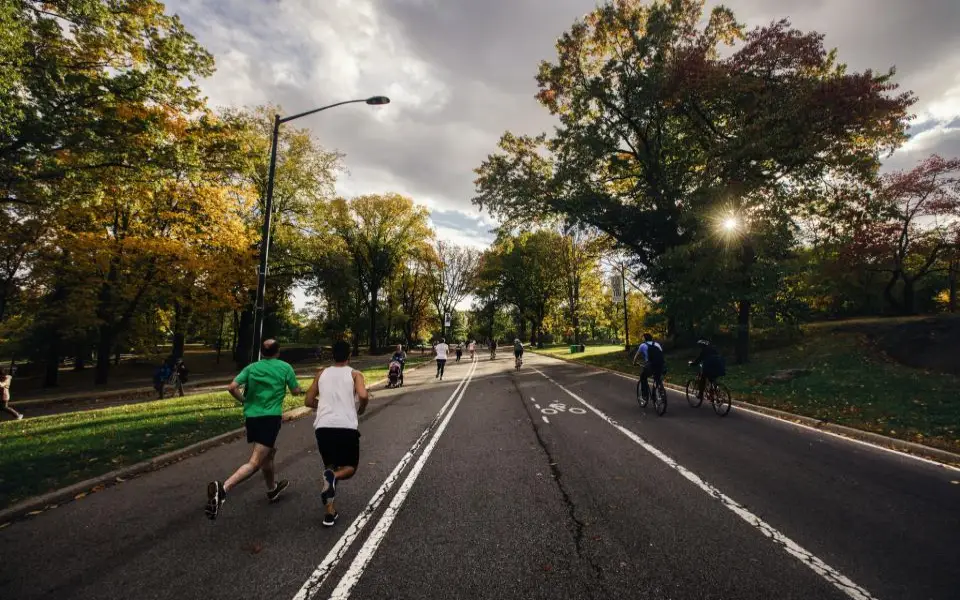
Physical activity dramatically increases fluid needs through sweat losses. A moderate hour-long workout can produce between 500 mL and 1.5 litres of sweat depending on intensity, ambient temperature, and individual physiology. Replacing this lost fluid during and after exercise is important for maintaining both performance and recovery.
Climate plays an equally large role. Hot, humid weather increases sweat rates; dry, cold air increases respiratory water losses (the visible breath condensation in winter represents real fluid loss). People who move between climates — from an air-conditioned office to outdoor heat — often underestimate how much more fluid they need in warm months.
Best Hydrating Choices
Plain water is the most efficient hydrating beverage, but many other drinks and foods contribute meaningfully to daily fluid intake. Herbal tea, milk, and diluted fruit juices all hydrate effectively. Caffeinated beverages such as coffee and tea were long believed to be dehydrating, but research shows that moderate caffeine consumption produces a net hydrating effect — the fluid volume outweighs the mild diuretic effect in most people.
Fruit and vegetables with high water content — cucumber, watermelon, celery, oranges — can contribute 200 to 400 mL of fluid per day in a balanced diet. People who eat few fruits and vegetables, or who follow very low-carbohydrate diets (which also reduce water retention through glycogen depletion), typically need to consume more fluid explicitly to compensate.
A Practical Approach
Rather than tracking glasses or millilitres, most adults benefit from three simple habits: drinking water or another beverage at each meal, carrying a refillable bottle during the day as a visual prompt, and checking urine colour periodically as feedback. These practices maintain hydration without turning it into a counting exercise, and they adjust naturally to changes in activity and climate.